Planning an IP PA system for a factory
Factory audio planning begins with intelligibility under real working conditions. Production equipment, distance, reflective surfaces and hearing protection can all affect how an announcement is understood.
Survey the working environment
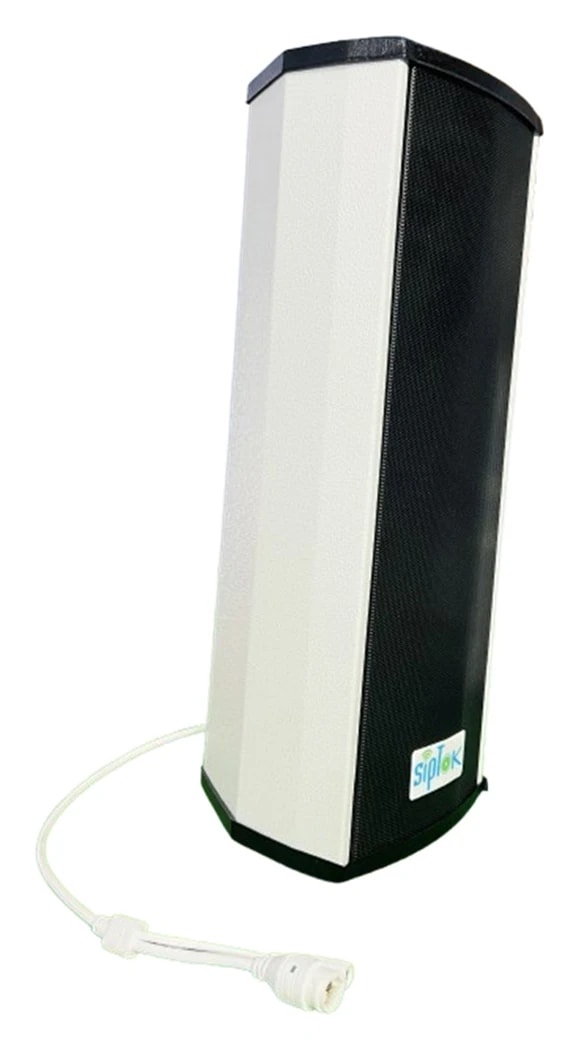
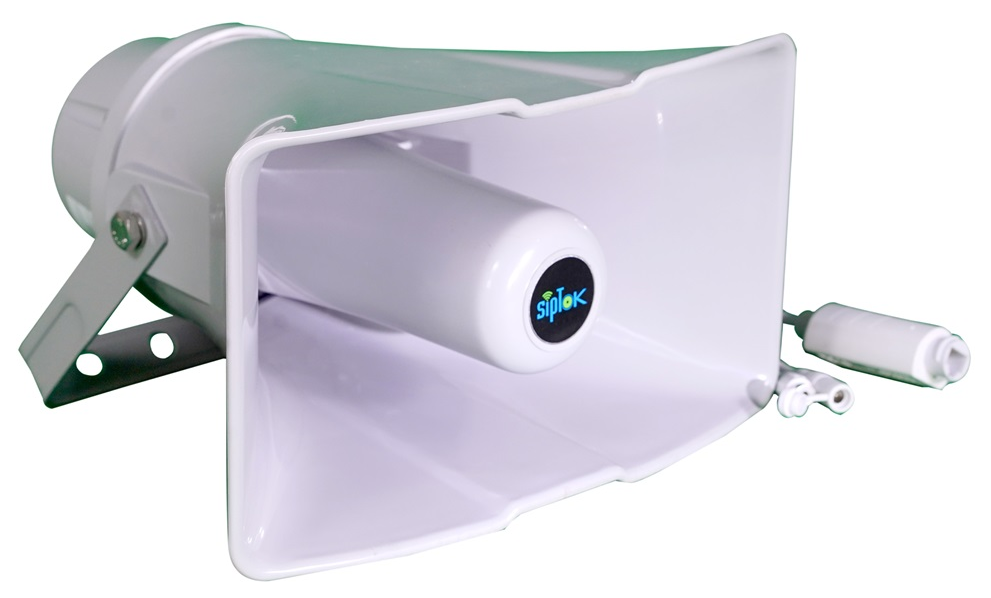
Assess ambient noise while equipment is operating. Record building dimensions, obstructions and possible mounting points. Loudspeaker type, directivity, placement and quantity matter alongside electrical power. Ask for a coverage assessment before finalizing the bill of materials.
Separate operational areas
Production, loading, stores and offices rarely need identical messages. Define functional zones and agree which operators can address them. Coordinate shift information and routine announcements with the selected controller functions.
Provide a return communication path
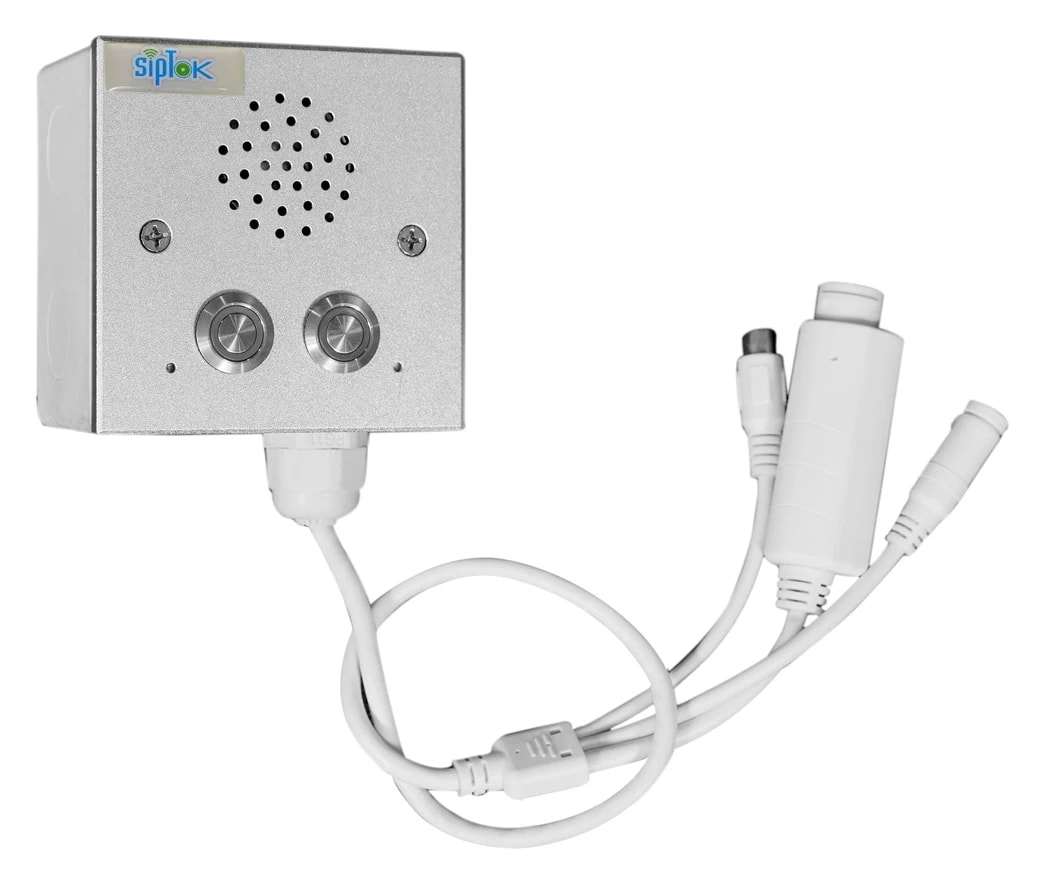
A PA speaker supplies announcements; an intercom terminal or emergency call box can provide a separate route for staff to contact an operator. Review camera, microphone and call-button requirements against the individual model.
Review infrastructure and resilience
Plan cable routes, network access, endpoint power, backup power and management security. Check environmental and mounting requirements for each position. Do not infer hazardous-area approval from an industrial appearance or an ingress-protection rating.
Document acceptance criteria
Test speech in the intended coverage areas with operating machinery running. Include zone selection, two-way calls and fault recovery where required. Any regulated emergency communication function needs a separate review against the applicable site and project requirements.
A typical communication path
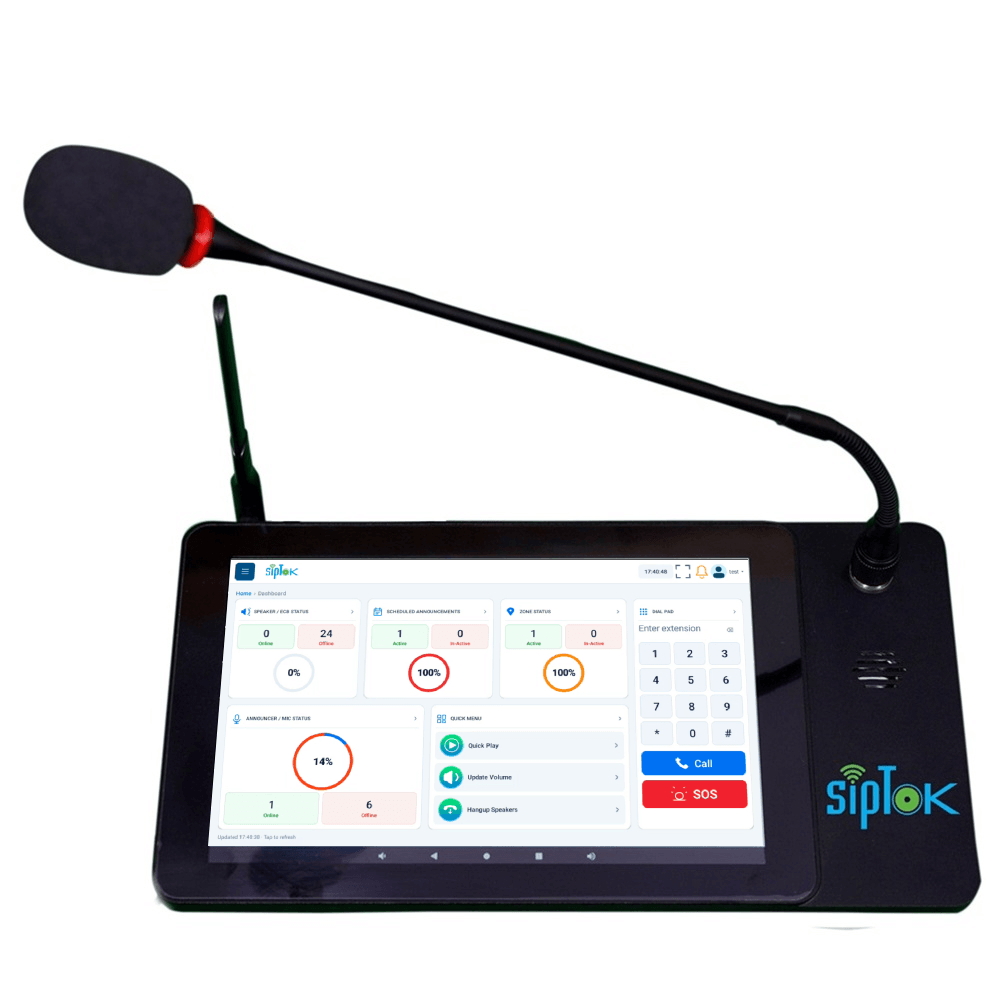
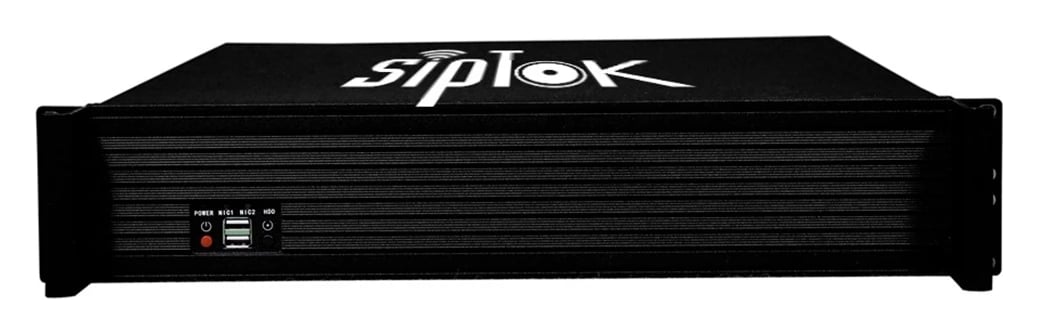
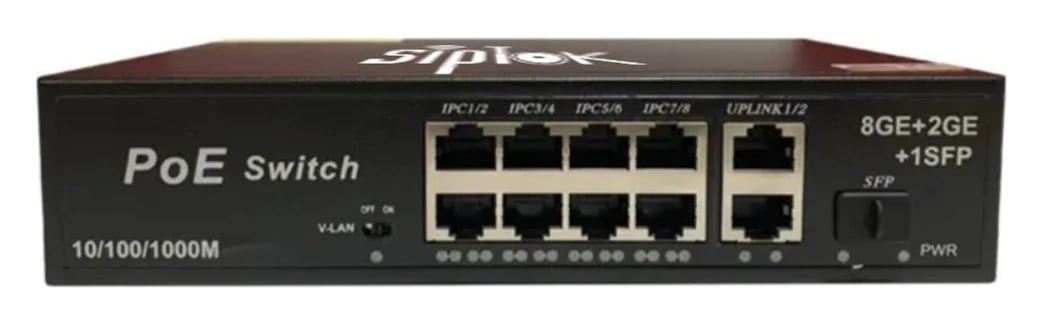

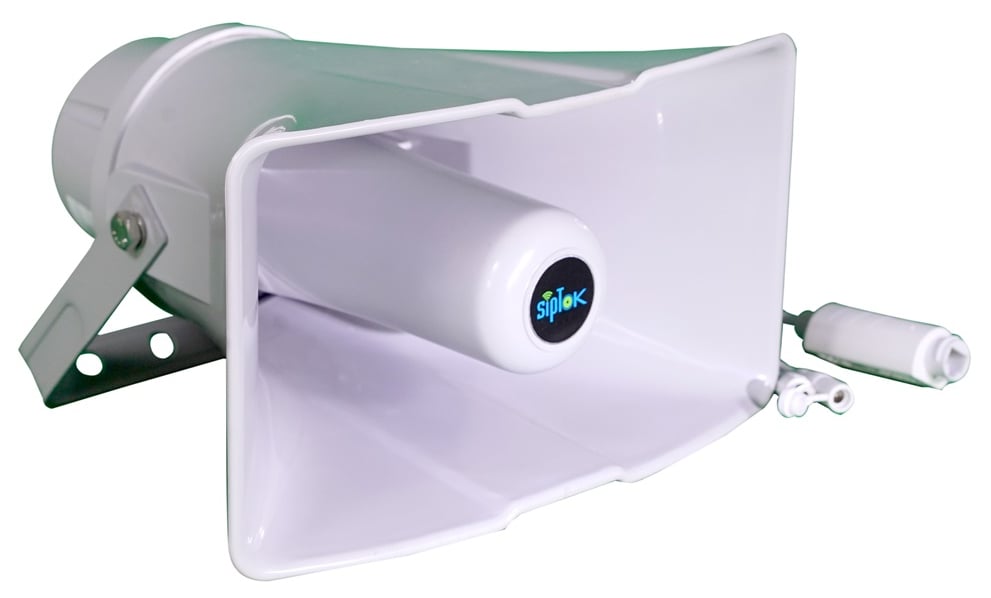
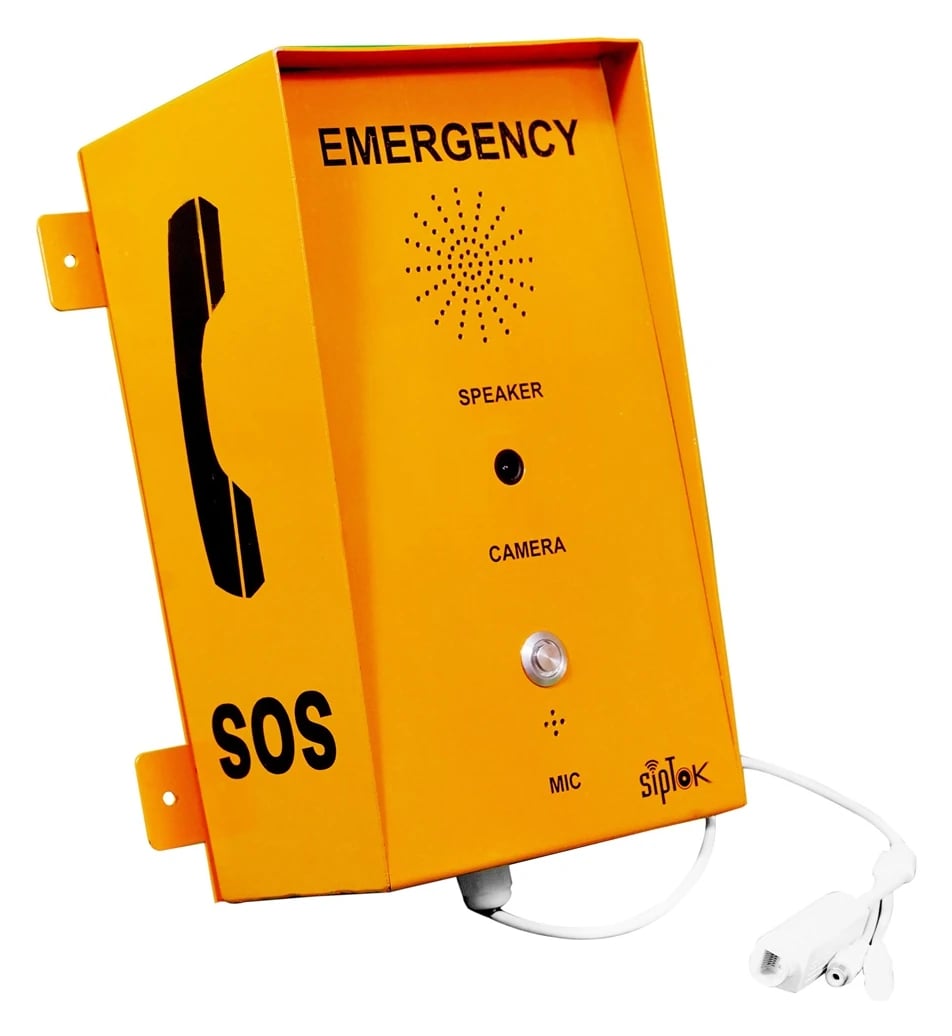
SIP controls calls; audio routing follows the system configuration. Confirm device power and network settings during design.