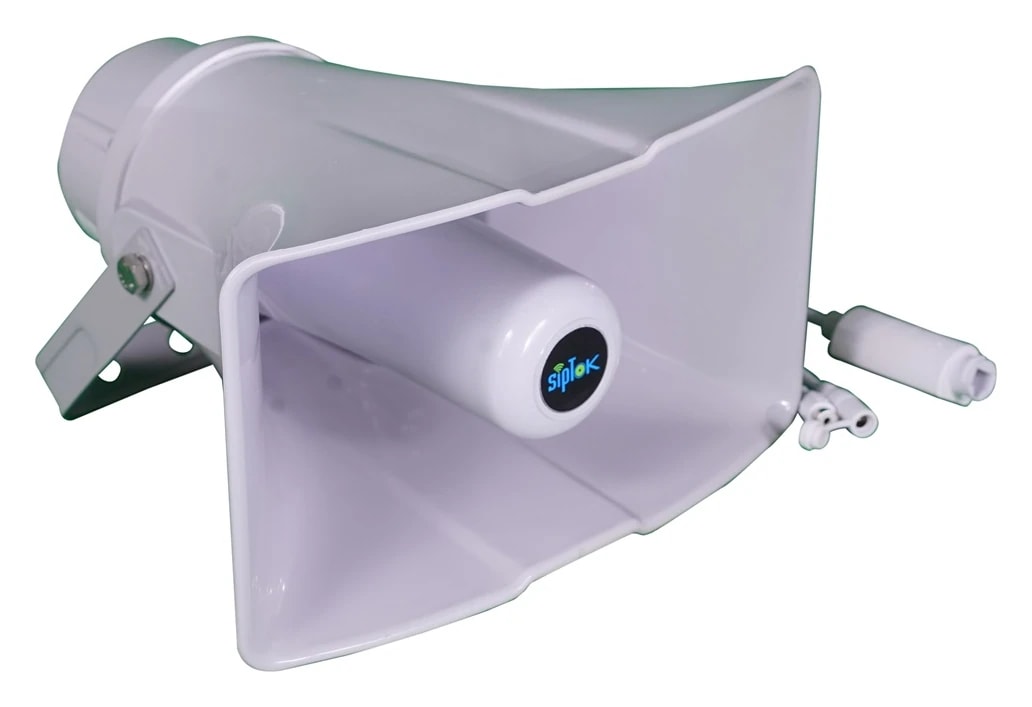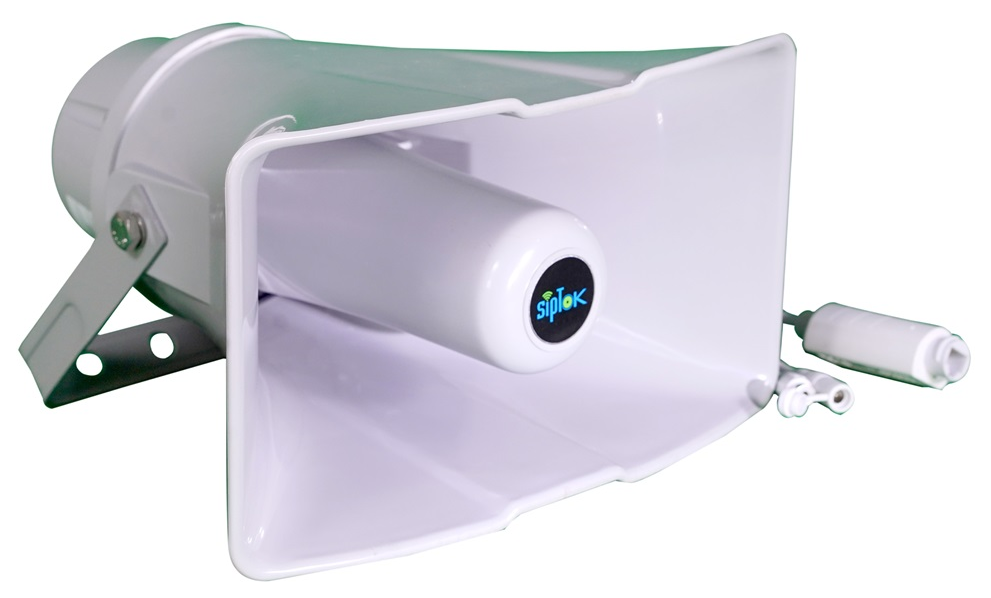
Choosing IP horn speakers for outdoor applications
An outdoor horn speaker needs to match the acoustic task, exposure and installation location. Start with the coverage area and ambient noise, then evaluate the technical specification of each candidate.
Coverage before wattage
Horn directivity can help concentrate audio toward a target area. Sound-pressure information, frequency response, mounting angle and distance all matter. A larger amplifier rating does not guarantee understandable speech at every position.
Read the environmental specification
Check the documented enclosure rating, operating temperature, materials and installation guidance for the selected model. An ingress-protection rating addresses defined conditions and should not be expanded into claims about corrosion, impact or hazardous-area suitability.
Check power and networking
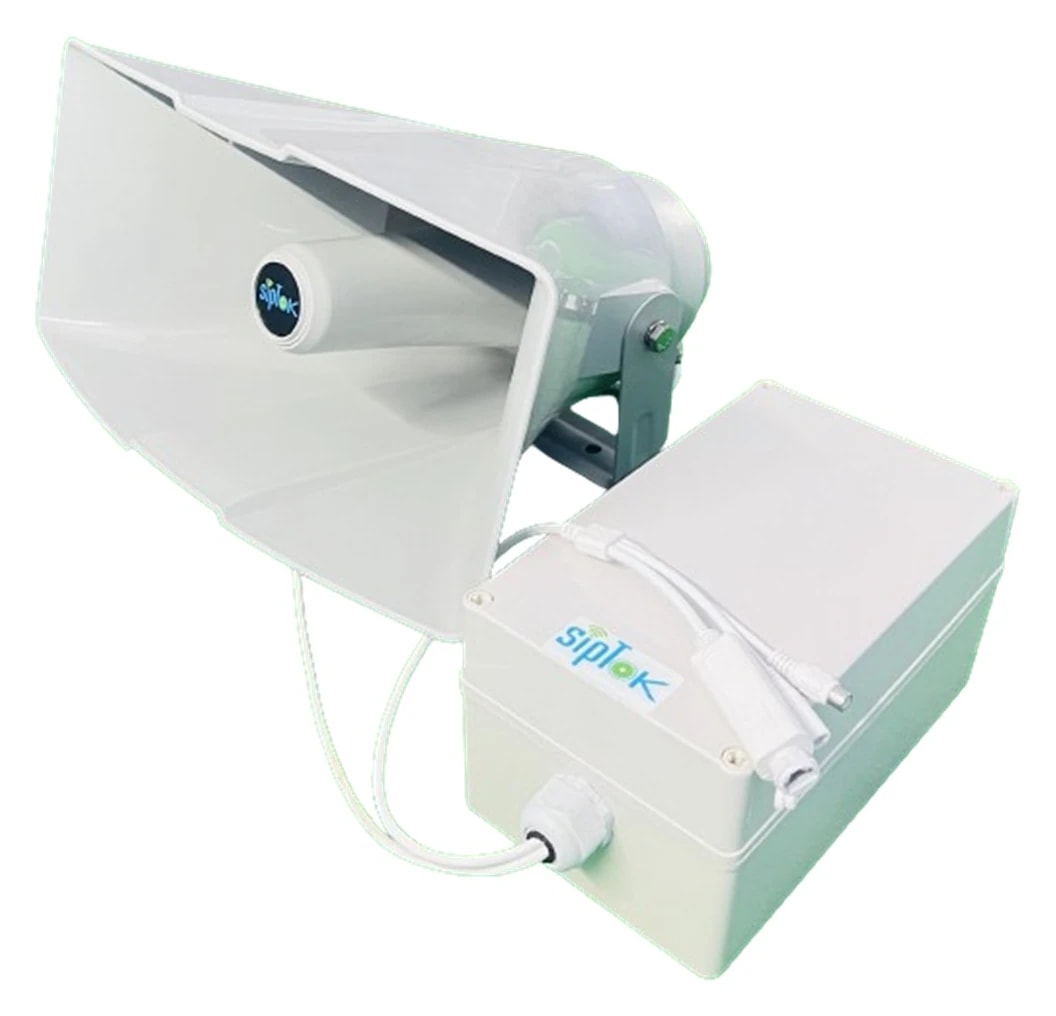
Match the endpoint power supply to the available infrastructure. Where PoE is specified, check the documented standard and power requirement against the switch port and total budget. Plan outdoor cabling, surge protection and bonding with the installation team.
Select the right communication interface
A SIP network horn and a CCTV active speaker are different product types. The latter connects to a compatible camera audio output in the existing catalogue. Confirm the interface from source to endpoint before choosing the model.
Commission at realistic sound levels
Test intelligibility in the required area under representative noise conditions. Check for excessive sound spill and avoid compensating for poor placement only by raising volume. Confirm mounting, weather exposure and maintenance access before handover.
A typical communication path
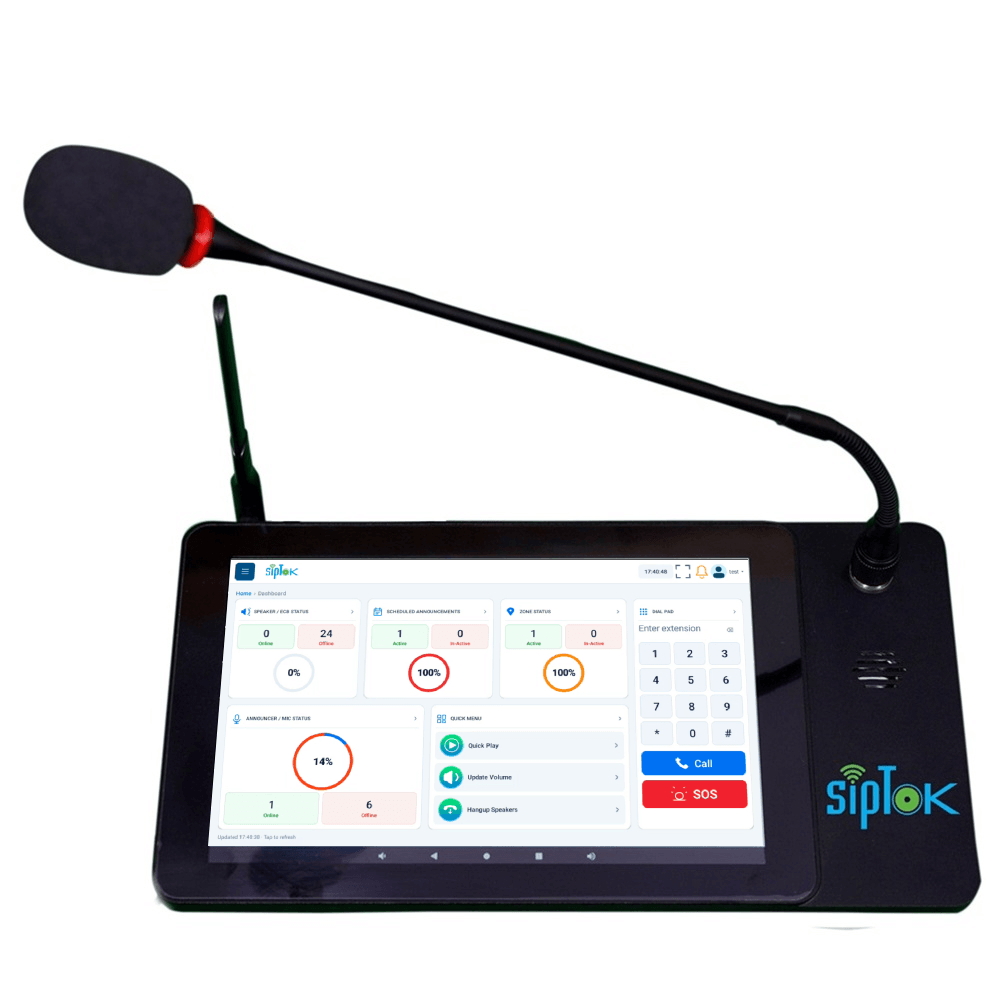
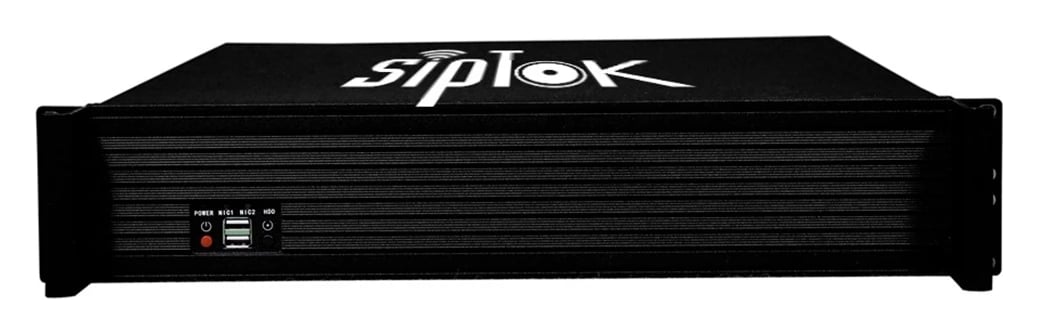
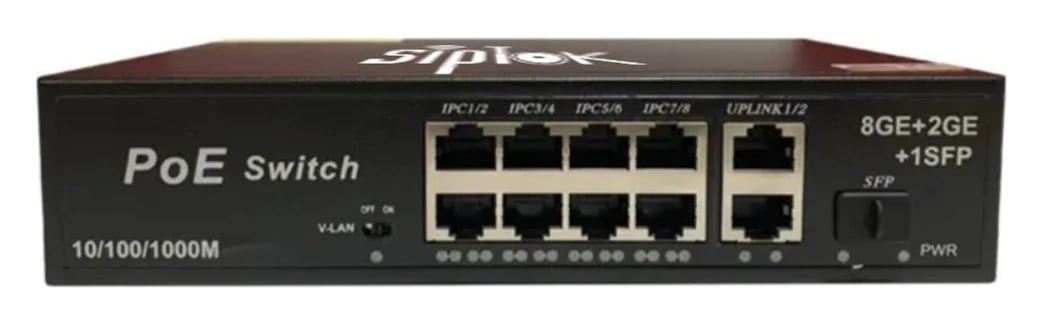
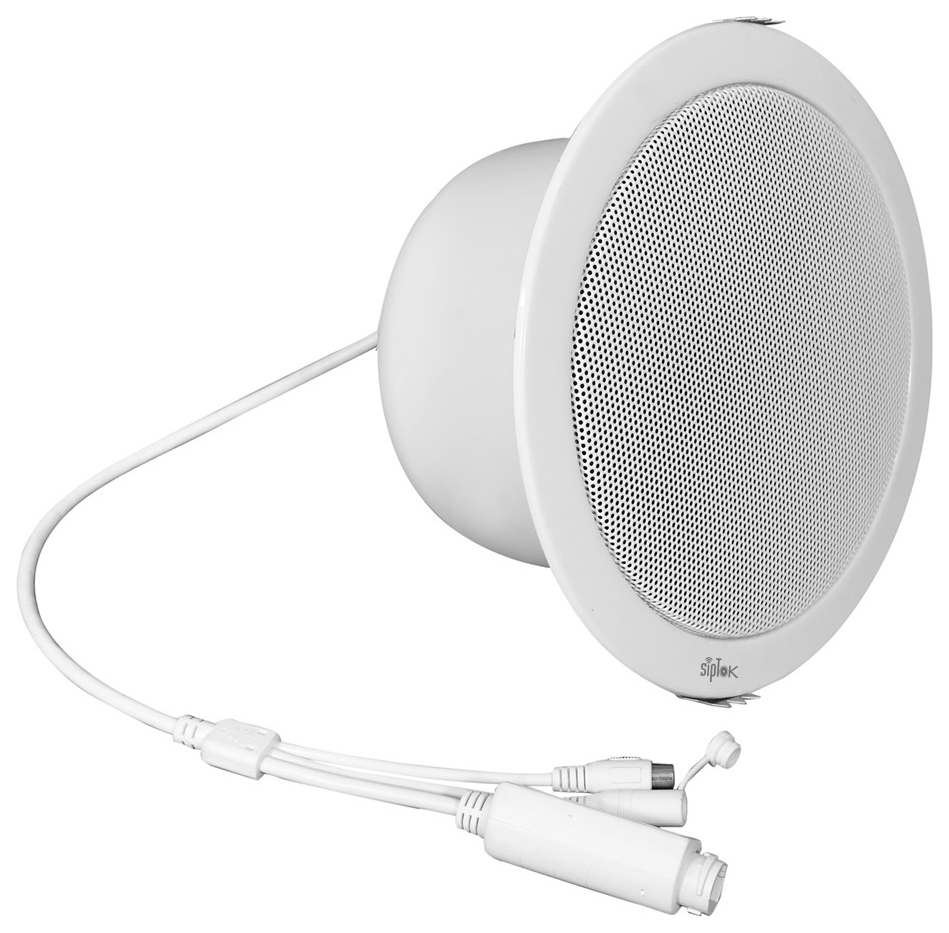
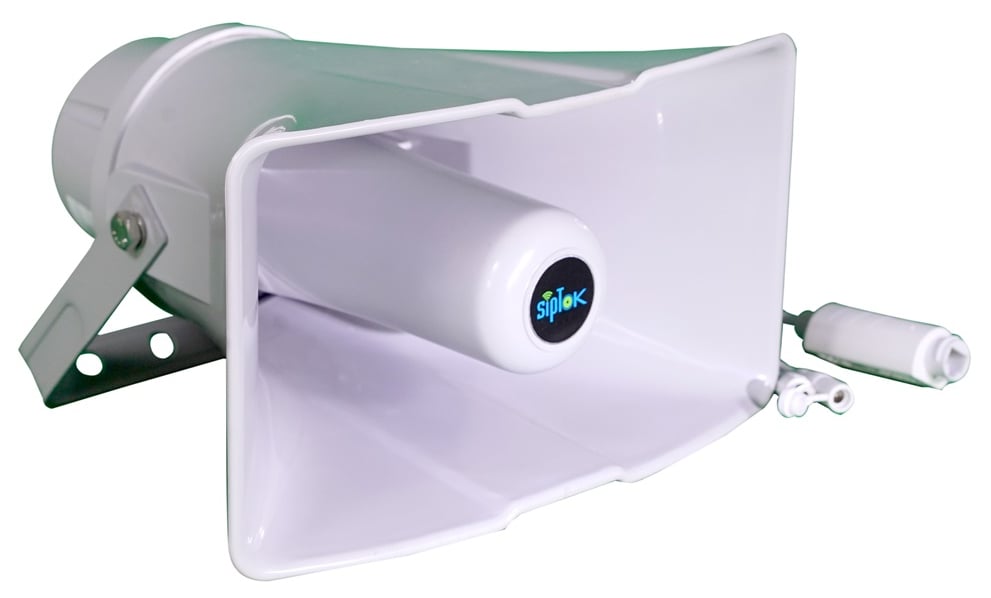
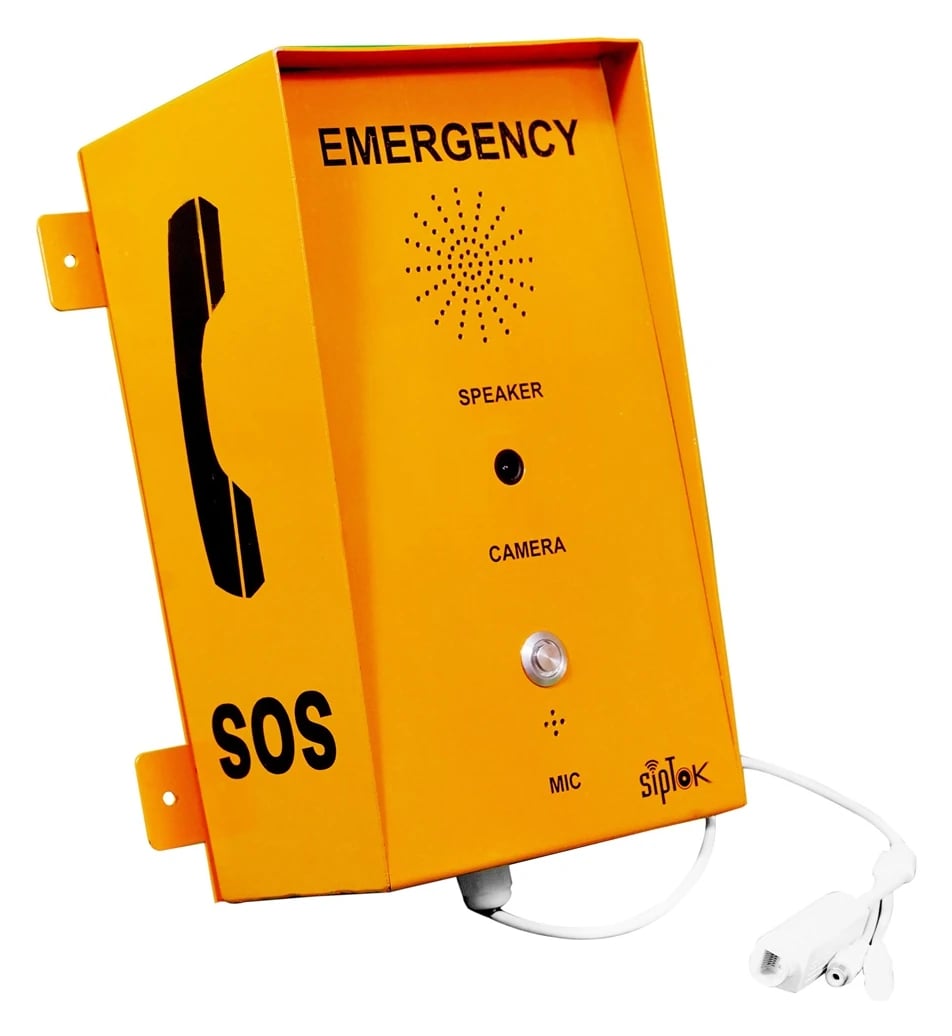
SIP controls calls; audio routing follows the system configuration. Confirm device power and network settings during design.