Emergency communication planning for industrial sites
Emergency communication needs a complete operating plan: how someone raises an issue, who receives the call, how instructions reach people, and what happens if a component fails.
Differentiate assistance and announcements
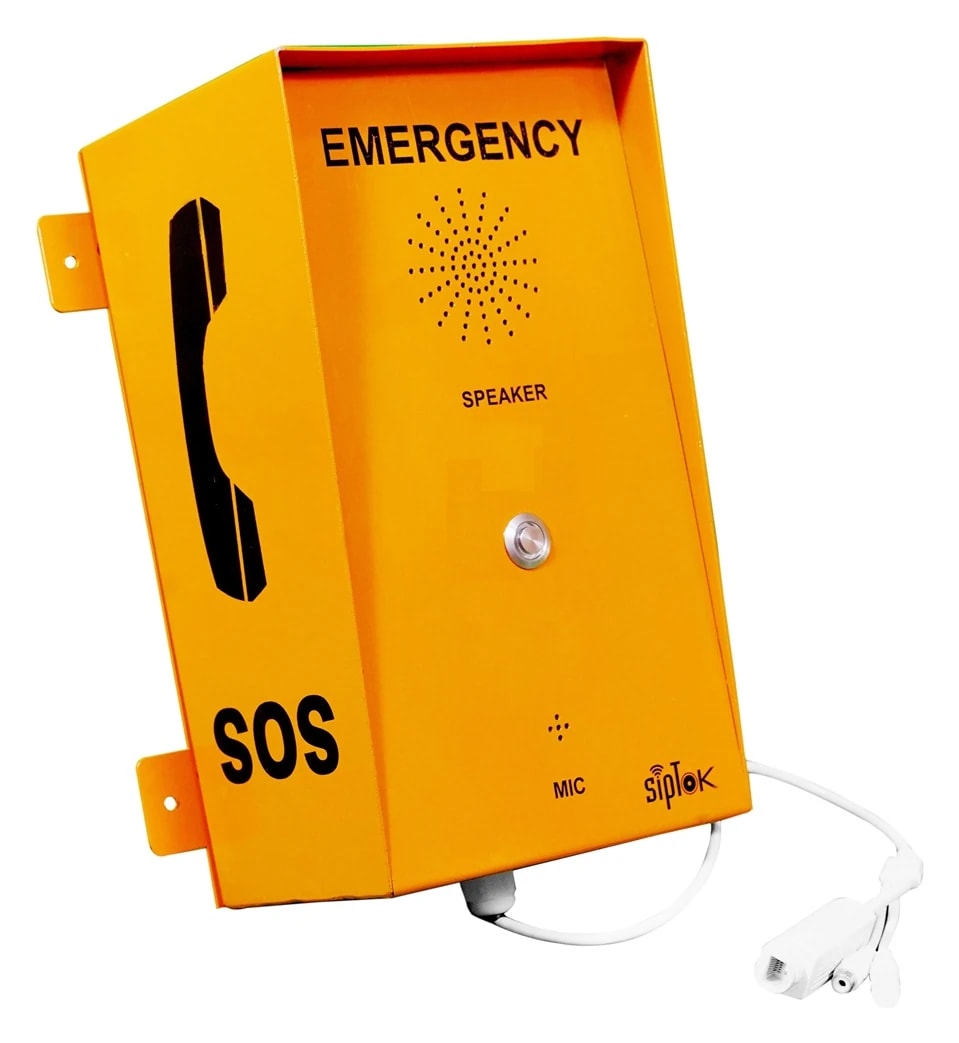
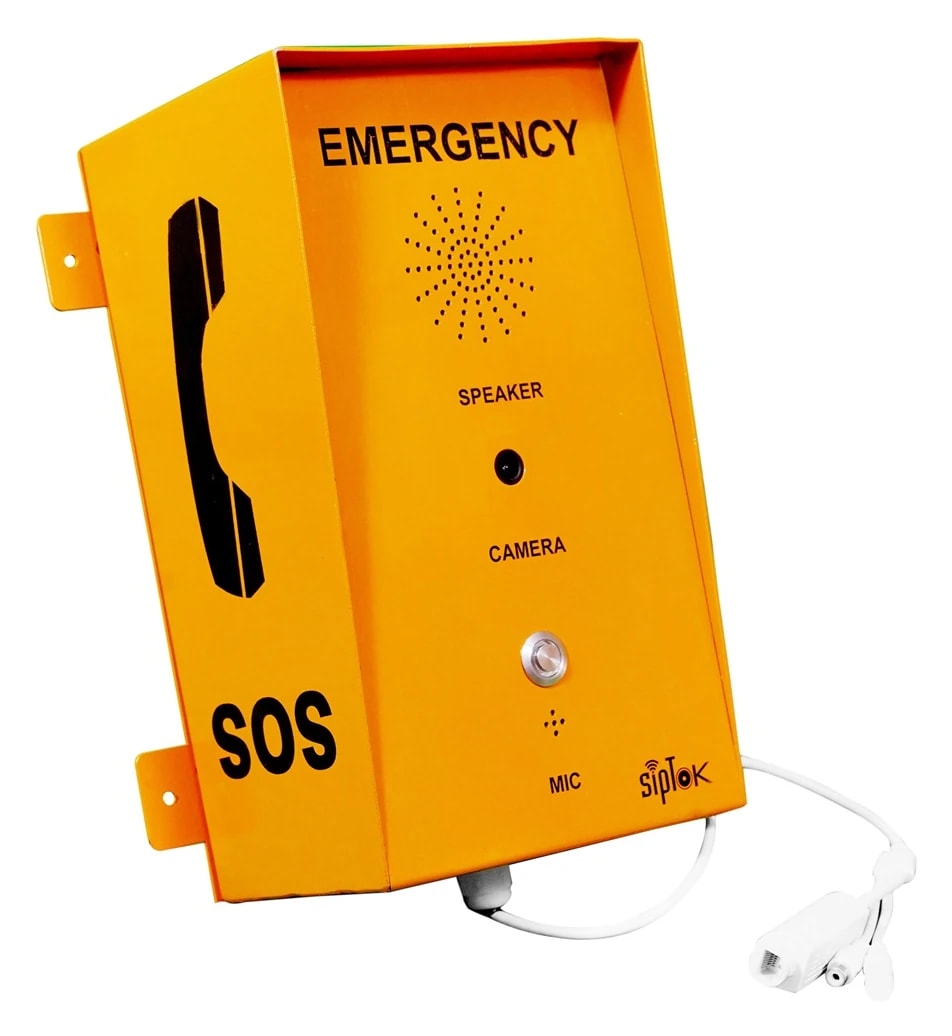
An emergency call box can initiate a voice call to an operator, while a public-address endpoint distributes an announcement. The two functions should work within an agreed response process, with clear location identities and trained operators.
Specify the endpoint deliberately
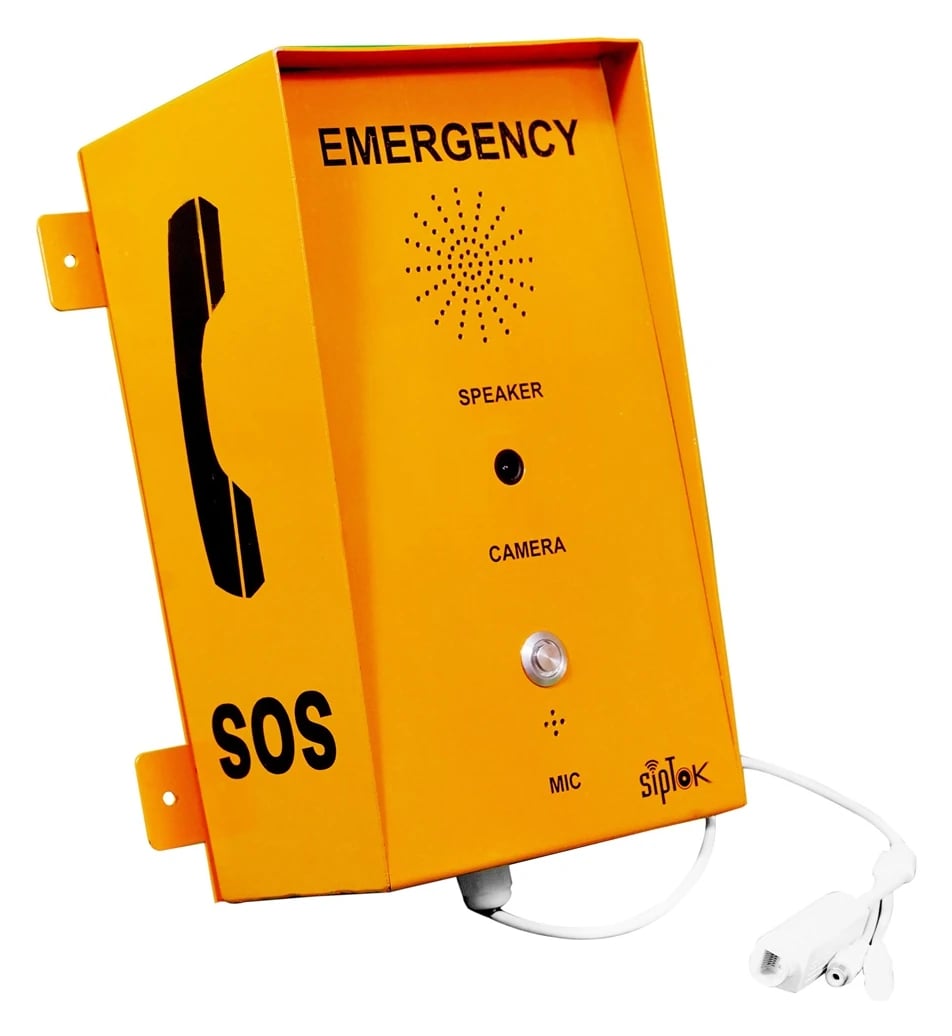
Review the need for a call button, handset, camera, microphone and mounting arrangement. Check the individual model specification and installation conditions. Do not assume that all emergency call boxes offer the same environmental rating or power options.
Plan the receiving workflow
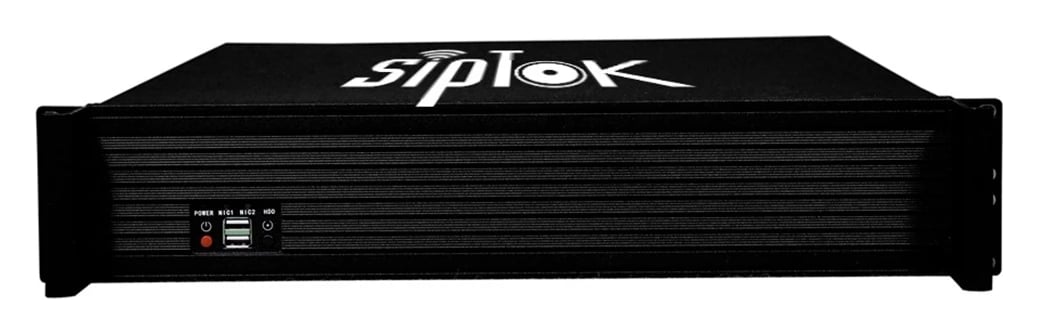
Define the destination, escalation process and staffing arrangements for incoming calls. Test what happens if the first operator does not answer. Any fallback behavior depends on the selected communication platform and its configuration.
Assess failures and power
Consider network outages, switch failures, endpoint faults and loss of mains power. Review monitoring and backup arrangements with the project team. A network audio product is not automatically a certified life-safety system.
Make testing repeatable
Maintain a list of endpoint locations and test the full call and announcement paths at agreed intervals. Record faults, corrective work and operator training. Qualified specialists should establish compliance requirements before the system is used for regulated emergency functions.
A typical communication path




SIP controls calls; audio routing follows the system configuration. Confirm device power and network settings during design.